A City Built on Avocados, Then Shaken by a Real Earthquake
La Habra was incorporated as a general law city on January 20, 1925, with an initial population of 3,000, and had grown to 63,097 residents by the 2020 Census. Historically, La Habra was known as the "largest avocado center in Southern California" by 1928, and the original 'Hass' avocado mother tree — the source of essentially all modern Hass avocados — grew here from the 1920s until succumbing to root rot in 2002. But La Habra's most consequential recent claim to fame is seismic, not agricultural: the city was the epicenter of a real, well-documented magnitude-5.1 earthquake on March 28, 2014.
What Actually Happened on March 28, 2014
The 2014 La Habra earthquake struck at magnitude 5.1, epicentered about 2 kilometers east of La Habra. It caused real structural damage, broken water lines, and millions of dollars in repairs across the area, with numerous aftershocks continuing in the days that followed. This isn't a distant or abstract seismic risk for La Habra — it's a documented event that happened directly in the city, within recent memory for many residents, and it remains the clearest, best-sourced local example of what a moderate Southern California earthquake actually does on the ground here.
The Broader Fault Picture Near La Habra
La Habra sits in North Orange County, closer to several regionally significant fault systems than the City of Orange itself. The Whittier Fault is a real, independently verified active fault running specifically along the Chino Hills range between the cities of Chino Hills and Whittier — relevant to North Orange County cities like La Habra and Brea as a regional, nearby fault, with an estimated slip rate of roughly 0.098 to 0.118 inches per year and the capability of producing an estimated magnitude 6.0 to 7.2 earthquake. The Puente Hills Fault, roughly 25 miles long, is also cited as relevant to the Brea/Chino Hills area. Both are real, documented structures — worth knowing about, though earthquake forecasting itself remains inexact, and neither should be read as predicting a specific future event.
What Earthquake Debris Actually Looks Like
Post-earthquake cleanup debris is a genuinely different category from a typical renovation or storm cleanup. It can include cracked or collapsed masonry, damaged drywall and plaster, broken fixtures and glass, fallen chimney material, and items damaged by falling or shifting during the shaking itself. Because structural damage isn't always visible from the outside, it's worth having a contractor or structural professional assess a property before major cleanup work begins — separating what's simply cosmetic from what may indicate a real structural issue that needs to be addressed before, not after, debris removal.
Preparing Before the Next Significant Shake
Basic earthquake preparedness matters regardless of when the next moderate quake happens — securing tall furniture and water heaters, knowing your property's shutoff locations for gas and water, and keeping an emergency kit stocked are all standard, widely recommended practices for anyone in earthquake country, La Habra included. None of that changes the fundamentals of a cleanup after the fact, but preparation now genuinely reduces how much gets damaged and needs hauling later.
Sizing a Dumpster for Post-Quake Cleanup
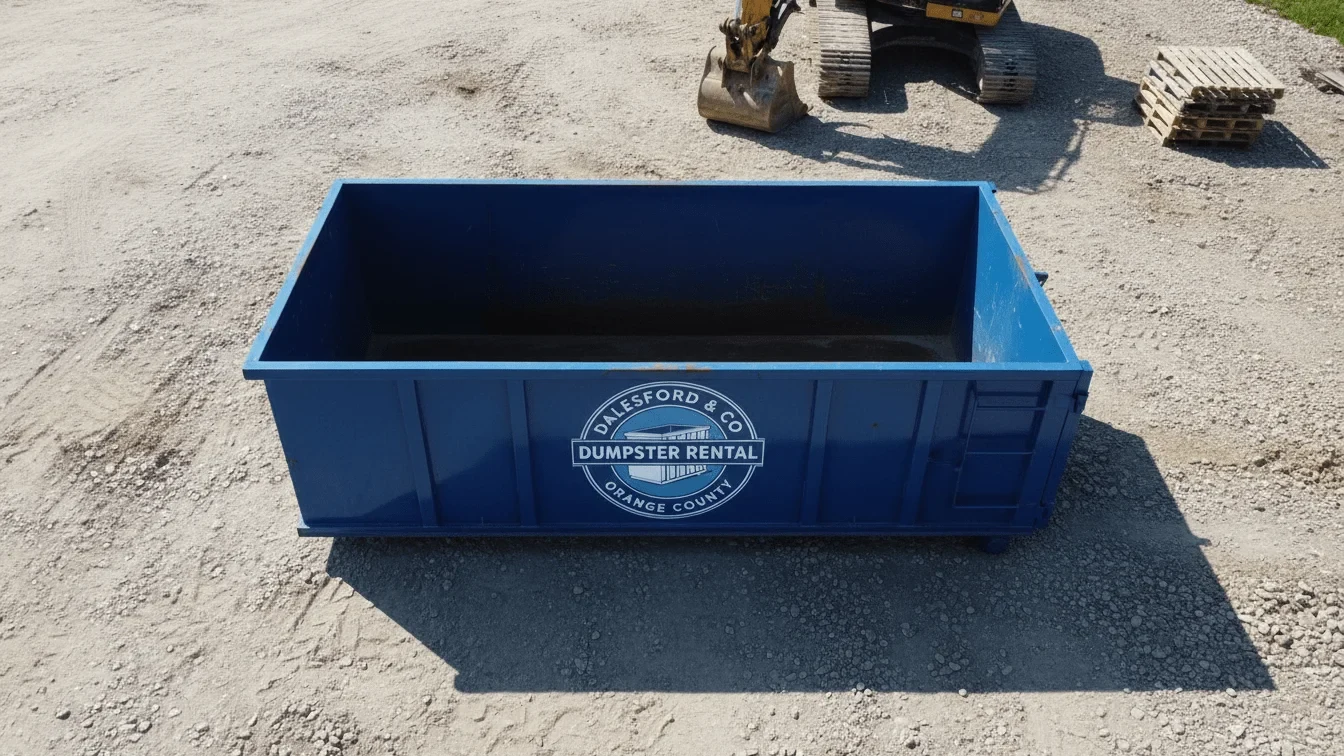
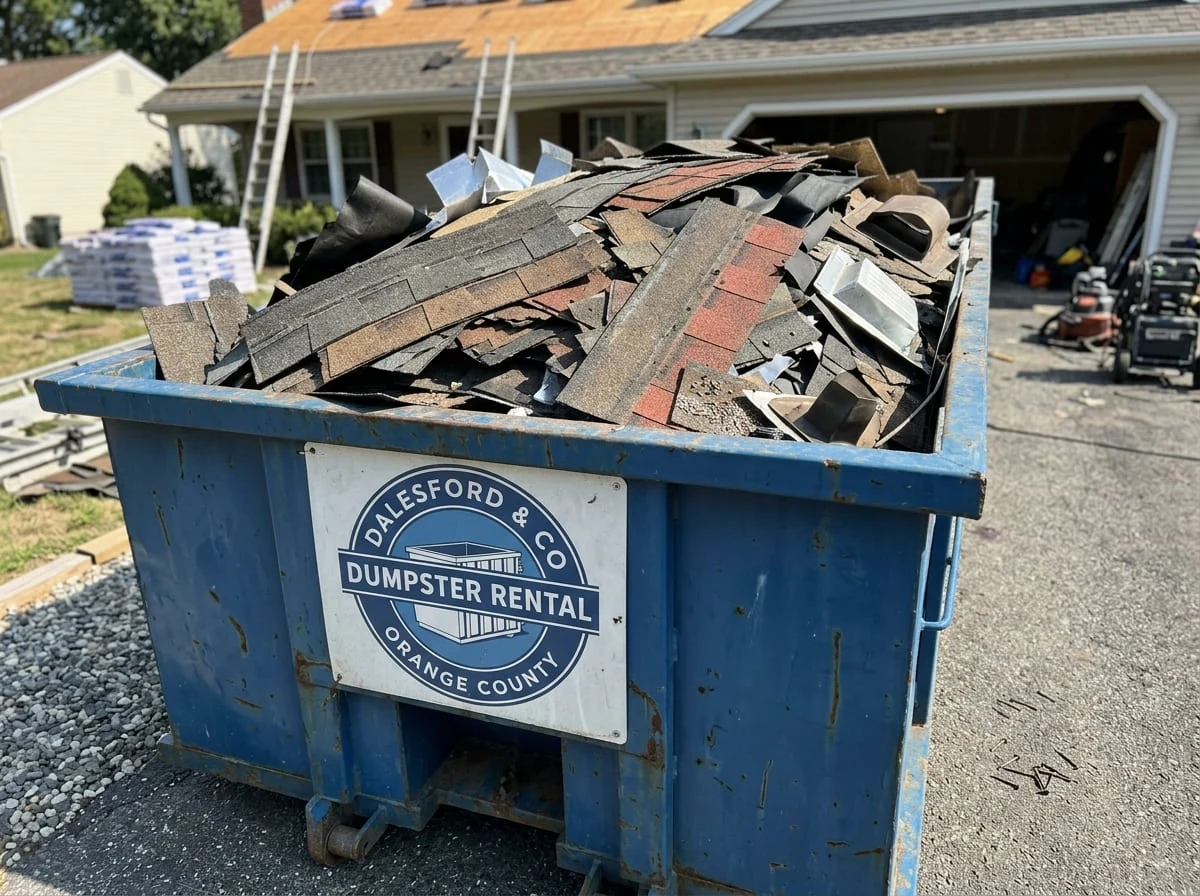
Earthquake debris tends to run heavy — cracked masonry, broken tile, damaged drywall and plaster are all dense materials, meaning weight limits matter more here than in a typical bulky-but-light household cleanout. Minor cosmetic damage in a single room often fits a 10 or 15 yard. More significant damage across a home — cracked chimneys, multiple damaged rooms, collapsed masonry — usually calls for a 20 yard or larger, and a structural professional's assessment is worth getting before finalizing a size if the damage looks anything beyond cosmetic.
Whether you're clearing cosmetic damage from a moderate shake or working through a larger post-earthquake cleanup, call (657) 282-4983 and describe what happened and what's damaged. We'll size the container appropriately and get it to your La Habra property as quickly as we can.